Chronic Disease Prevention and Management
Small Steps Today. Better Health Tomorrow.
Living a healthier life doesn't have to be complicated. Whether you want to prevent a chronic condition or better manage one you already have, small changes can make a meaningful difference.
Panhandle Public Health District (PPHD) is committed to helping individuals, families, and communities across the Nebraska Panhandle build healthier lifestyles through education, prevention programs, and community partnerships.
1. Understanding Chronic Conditions
Chronic conditions are health problems that last a long time and often require ongoing care. Some develop slowly, while others may affect daily activities and quality of life.
Heart disease, cancer, diabetes, and chronic lung disease are among the most common chronic conditions. According to the Centers for Disease Control and Prevention (CDC), chronic diseases are leading causes of illness, disability, and death in the United States.
The good news? Many chronic conditions can be prevented, delayed, or better managed through healthy habits, early detection, and appropriate medical care.
What Increases Your Risk?
Some risk factors, such as age and family history, are outside our control. Others can be improved through everyday choices and supportive environments.
Common risk factors include:
- Tobacco Use: Smoking increases the risk of heart disease, stroke, cancer, and chronic lung disease. Quitting tobacco can improve your health at any age.
- Poor Nutrition: Eating too few nutritious foods can increase the risk of heart disease, type 2 diabetes, and other health problems.
- Physical Inactivity: Regular movement supports heart health, helps manage blood sugar, strengthens muscles, and improves emotional well-being.
- Excessive Alcohol Use: Drinking too much alcohol can increase the risk of high blood pressure, liver disease, certain cancers, and other health concerns.
- Limited Access to Resources: Transportation, affordable healthy foods, safe places to be active, and healthcare services all influence our ability to stay healthy.
In rural communities like the Nebraska Panhandle, long travel distances, limited healthcare providers, and fewer local resources can create additional challenges.
Learn more: CDC Chronic Disease Prevention
2. Prevention Starts with Everyday Habits
You don't have to change everything at once to improve your health. Small, consistent choices can help you feel better, build energy, and reduce your risk for many chronic conditions.
Start with simple steps:
- Eat more fruits and vegetables.
- Move your body regularly.
- Drink water throughout the day.
- Choose nutritious foods that support your health.
- Make time for rest, relaxation, and stress management.
- Avoid tobacco and limit alcohol.
- Get recommended health screenings and regular checkups.
Every healthy choice is a step toward a stronger, healthier you.
5 to Thrive! Small Habits. Big Health Benefits.
That's why Panhandle Public Health District encourages everyone to 5 to Thrive!, five simple daily habits that can help individuals and families build healthier lifestyles.
5 to Thrive! Simple Daily Habits for Stronger, Healthier Communities
- 5 servings of fruits and vegetables to nourish your body.
- 4 servings of water to support hydration.
- 3 servings of lean protein to support strength and energy.
- 2 hours or less of recreational screen time to make room for healthier activities.
- 1+ hour of movement or mindfulness to support physical and emotional well-being.
These habits can help support heart health, healthy blood pressure, blood sugar management, and overall well-being.
You don't have to do everything perfectly. Start with one habit, make it work for your lifestyle, and build from there.
Small steps add up, and every healthy choice counts!
Explore 5 to Thrive! and Get Started Today
3. Understanding High Blood Pressure (Hypertension)
Know Your Numbers. Protect Your Health.
High blood pressure, also called hypertension, occurs when the force of blood pushing against the walls of your arteries stays too high.
Over time, high blood pressure can damage blood vessels and increase your risk of heart disease, stroke, kidney disease, and other serious health problems.
High blood pressure often has no noticeable symptoms. The only way to know if your blood pressure is high is to have it checked.
The good news? High blood pressure can often be prevented or managed through healthy lifestyle habits, regular monitoring, and medication when needed.
Understanding Your Blood Pressure Numbers
Blood pressure is measured using two numbers:
- Systolic (top number): The pressure in your arteries when your heart beats.
- Diastolic (bottom number): The pressure in your arteries when your heart relaxes between beats. *
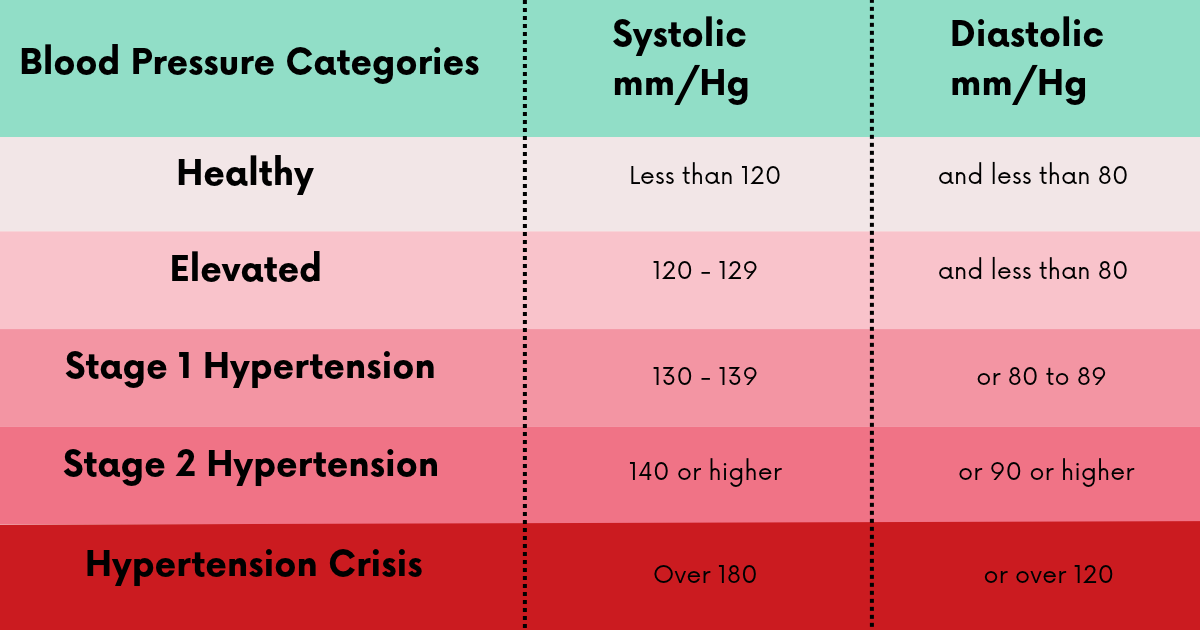 These categories apply to adults. A healthcare provider can help you understand your readings and determine the best approach for your health.
What Increases Your Risk?
Common risk factors include:
- Family history of high blood pressure
- Getting older
- Eating too much sodium (salt)
- Not getting enough physical activity
- Overweight or obesity
- Tobacco use
- Excessive alcohol use
- Diabetes, kidney disease, and certain other health conditions
Small Steps to Manage Your Blood Pressure
Healthy habits can help lower blood pressure and protect your heart.
- Move more. Try walking, gardening, dancing, or yoga.
- Eat for heart health. Choose fruits, vegetables, whole grains, and lean proteins while limiting sodium.
- Manage stress. Practice deep breathing, mindfulness, or other calming activities.
- Know your numbers. Check your blood pressure regularly and monitor it at home if recommended.
- Avoid tobacco and limit alcohol.
- Follow your treatment plan. Take prescribed medications and keep regular healthcare appointments.
A blood pressure reading higher than 180 systolic or 120 diastolic needs prompt attention. Repeat the measurement after at least one minute and contact your healthcare professional as soon as possible if it remains that high. If you also have chest pain, shortness of breath, weakness, vision changes, difficulty speaking, or other concerning symptoms, call 911.
Take Charge of Your Blood Pressure
PPHD supports education and self-management programs that help individuals build confidence and practical skills for managing their health.
Living Well with High Blood Pressure is a workshop designed to help adults understand their blood pressure, develop healthier habits, and take an active role in managing their condition.
Additional resources:
4. Understanding Heart Disease
A Healthy Heart Starts with Everyday Choices
Heart disease refers to several conditions that affect the heart. The most common type is coronary artery disease, which occurs when plaque builds up in the arteries that supply blood to the heart.
Over time, this buildup can reduce blood flow and increase the risk of a heart attack.
Heart disease is a leading cause of death in the United States, but there are steps you can take to lower your risk and protect your heart health.
It's never too early or too late to start taking care of your heart.
What Increases Your Risk for Heart Disease?
Common risk factors include:
- High blood pressure
- High cholesterol
- Diabetes
- Tobacco use
- Physical inactivity
- Poor nutrition
- Overweight or obesity
- Excessive alcohol use
- Family history of heart disease
Other factors, including chronic stress, poor sleep, and limited access to healthcare and nutritious foods, can also affect heart health.
Recognizing the Warning Signs of a Heart Attack
Knowing the warning signs of a heart attack could save a life.
Symptoms may include:
- Chest pain, pressure, squeezing, or discomfort
- Pain or discomfort in the arms, back, neck, jaw, or stomach
- Shortness of breath
- Cold sweats
- Nausea or lightheadedness
- Unusual fatigue
Symptoms can vary. Women, older adults, and people with diabetes may experience less typical symptoms.
If you think you or someone else may be having a heart attack, call 911 immediately. Do not drive yourself to the hospital.
Simple Ways to Keep Your Heart Healthy
Small lifestyle changes can make a big difference.
- Eat more heart-healthy foods. Choose fruits, vegetables, whole grains, lean proteins, and healthy fats.
- Get moving. Aim for at least 150 minutes of moderate-intensity physical activity each week, building up gradually as you're able.
- Know your numbers. Monitor your blood pressure, cholesterol, and blood sugar.
- Manage stress. Practice mindfulness, relaxation, or activities you enjoy.
- Prioritize sleep. Most adults need at least seven hours each night.
- Avoid tobacco and limit alcohol.
- Stay connected to healthcare. Get regular checkups and follow your treatment plan.
Small Habits. Stronger Hearts.
PPHD's 5 to Thrive! initiative encourages daily habits that support heart health and overall well-being.
Whether you're adding another serving of vegetables, taking a daily walk, or making time to manage stress, every healthy choice counts.
Additional resources:
5. Understanding Diabetes
Know Your Risk. Take Action. Live Well.
Diabetes is a chronic condition that affects how the body uses blood sugar (glucose) for energy.
When the body doesn't make enough insulin or cannot use insulin effectively, blood sugar levels can become too high.
Over time, high blood sugar can damage the heart, blood vessels, kidneys, eyes, and nerves.
According to the CDC's 2026 National Diabetes Statistics Report, an estimated 40.1 million Americans had diabetes in 2023, including people who had not yet been diagnosed.
An estimated 115.2 million U.S. adults had prediabetes, a condition that increases the risk of developing type 2 diabetes.
The good news? Type 2 diabetes can often be prevented or delayed, and people living with diabetes can take steps to manage their condition and protect their health.
Why Diabetes Prevention Matters
When diabetes is not well managed, it can lead to serious health problems, including:
- Heart disease and stroke
- Kidney disease
- Vision loss
- Nerve damage
- Foot problems that may lead to amputation
Diabetes can also create financial challenges due to medications, medical appointments, supplies, and other healthcare needs.
Early detection, regular medical care, and healthy lifestyle habits can help reduce these risks.
Understanding the Different Types of Diabetes
Type 1 Diabetes
Type 1 diabetes occurs when the body's immune system attacks the cells that produce insulin. People with type 1 diabetes need insulin to manage their blood sugar. It can develop at any age and is not currently preventable.
Type 2 Diabetes
Type 2 diabetes develops when the body does not use insulin effectively or cannot produce enough insulin to keep blood sugar in a healthy range.
It is the most common type of diabetes. Healthy lifestyle changes, including nutritious eating, regular physical activity, and weight management when appropriate, can help prevent or delay type 2 diabetes.
Gestational Diabetes
Gestational diabetes develops during pregnancy and can affect the health of both mother and baby. It often goes away after pregnancy, but it increases the risk of developing type 2 diabetes later in life.
Prediabetes
Prediabetes means blood sugar levels are higher than normal but not yet high enough for a type 2 diabetes diagnosis.
Most people with prediabetes do not experience noticeable symptoms, so many don't know they have it.
Prediabetes is an opportunity to take action. Making healthy lifestyle changes can significantly reduce the risk of developing type 2 diabetes.
Could You Be at Risk?
You may be at greater risk for type 2 diabetes if you:
- Are age 45 or older.
- Have a parent or sibling with type 2 diabetes.
- Are physically active less than three times a week.
- Have overweight or obesity.
- Have a history of gestational diabetes.
- Have high blood pressure or certain other health conditions.
A simple diabetes risk assessment can help you understand your risk. Your healthcare provider can also use blood tests, such as an A1C or fasting blood glucose test, to check for prediabetes or diabetes.
Take the CDC Prediabetes Risk Test
Take the First Step Toward Prevention
You don't have to make big changes overnight.
Research shows that people at high risk for type 2 diabetes can significantly reduce their risk through a structured lifestyle change program.
Simple steps include:
- Getting regular physical activity.
- Choosing balanced meals with vegetables, fruits, lean proteins, and whole grains.
- Making water your go-to beverage.
- Finding healthy ways to manage stress.
- Getting enough sleep.
- Working with your healthcare provider to monitor blood sugar and other risk factors.
You Don't Have to Do It Alone
PPHD supports diabetes prevention and management through education, community partnerships, and evidence-based programs.
The National Diabetes Prevention Program (National DPP) helps adults with prediabetes or at high risk for type 2 diabetes build healthier habits through a structured lifestyle change program.
Additional resources:
6. PPHD Programs and Community Resources
Supporting Healthier Communities Across the Nebraska Panhandle
You don't have to manage your health alone.
Panhandle Public Health District works with healthcare providers, community organizations, and regional partners to increase awareness, improve access to prevention programs, and support people living with chronic conditions.
National Diabetes Prevention Program (National DPP)
A yearlong lifestyle change program for adults with prediabetes or at high risk for type 2 diabetes.
Participants work with a trained lifestyle coach to build healthy habits, increase physical activity, manage stress, and make lasting changes that can lower their risk of developing type 2 diabetes.
Learn More About the National DPP
Living Well with Chronic Conditions
Chronic Disease Self-Management Program (CDSMP) workshops help adults living with ongoing health conditions build practical skills to manage symptoms, communicate with healthcare providers, set goals, and improve quality of life.
Participants learn strategies for managing fatigue, stress, pain, medications, and everyday challenges.
https://pphd.org/Pages/LivingWell.htm
Learn About Chronic Disease Self-Management Programs
Living Well with High Blood Pressure
This educational workshop helps adults better understand high blood pressure and develop practical strategies for managing their condition.
Topics include monitoring blood pressure, healthy eating, physical activity, stress management, and working with healthcare providers.
https://pphd.org/Pages/LivingWell.htm
Diabetes Prevention and Management Coalition
The Diabetes Prevention and Management Coalition brings together healthcare professionals, community organizations, and other partners across the Nebraska Panhandle.
The coalition focuses on:
- Increasing awareness of diabetes and prediabetes.
- Promoting early identification of people at risk.
- Connecting individuals to prevention and management programs.
- Sharing resources and strengthening community partnerships.
- Addressing barriers to diabetes prevention and care in rural communities.
Community partners and individuals interested in supporting diabetes prevention and management are encouraged to get involved. Join us here: https://tinyurl.com/StopDiabetesNE
5 to Thrive! Healthy Habits for Everyone
5 to Thrive! is PPHD's simple approach to encouraging healthy daily habits.
Through nutrition, hydration, movement, mindfulness, and balanced screen time, individuals and families can take small steps toward better health.
Explore 5 to Thrive!
Your Health. Your Goals. Your Next Step.
Whether you're looking to prevent a chronic condition, manage an existing diagnosis, or simply feel healthier, PPHD is here to help you find education, encouragement, and resources.
Start where you are. Choose one small step. Build a healthier future.
Visit Panhandle Public Health District